SURVEILLANCE BASICS
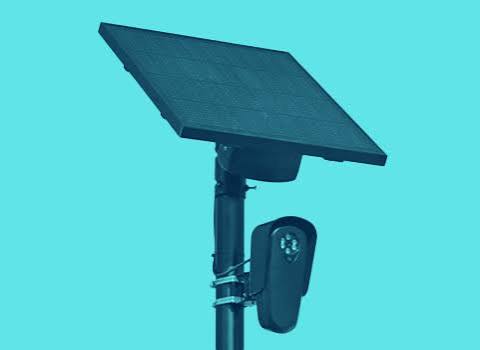
Automated license plate readers (ALPRs). ALPRs photograph passing vehicles and record the plate number, time, and location. A single snapshot may seem routine, however, thousands of scans can reveal travel patterns, work locations, medical visits and religious activity, and personal relationships.
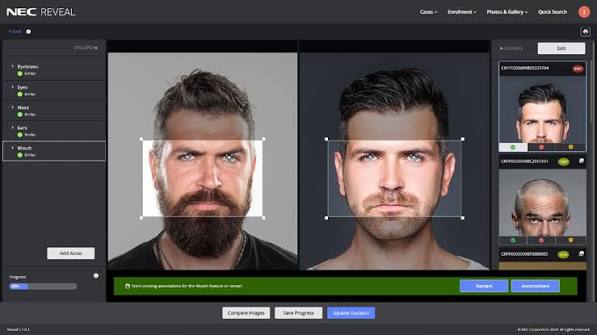
Facial recognition. Facial recognition systems compare images of people’s faces against databases, such as driver’s license photos or mugshots. These tools can misidentify people, especially people of color, and can be used to track who attends protests, religious services, or community events.
Data sharing. Surveillance tools often feed into regional or national databases. Information collected in one city can be shared with many agencies, including federal partners and private vendors, making it hard for San Antonians to know who has their data or how it is used.
Real-time crime centers. Real-time crime centers bring together camera feeds, ALPR data, social media monitoring, and other tools into one hub. Staff can monitor multiple neighborhoods at once and quickly search through large amounts of data about people’s movements. The Southwest Texas Fusion Center is an example of an intelligence-sharing entity within San Antonio among several federal and local agencies.

Why Privacy Matters
Surveillance is often described as something that only affects people who are “doing something wrong.” In reality, many modern systems collect information about everyone, all the time, whether or not they are suspected of a crime. License plate readers, camera networks, and data-sharing agreements can quietly build detailed profiles of ordinary people going about their daily lives.
This kind of constant monitoring changes how communities feel and behave. When people know they might be watched driving towards a protest, a clinic, a place of worship, or a community meeting, they may decide to stay home. That shift on everyday activity harms free speech, organizing, and participation in public life.
Surveillance also does not impact everyone equally.
Systems are often concentrated in working-class neighborhoods and communities of color, and tools like facial recognition have higher error rates for Black and Brown residents. Without strong privacy protections, surveillance can reinforce existing inequalities and lead to more stops, searches, and investigations based on flawed or biased data.
Protecting privacy is not about hiding wrongdoing. It is about preserving the space to live, learn, travel, and connect with others without being constantly tracked. Clear rules, transparency, and community oversight help make sure powerful technologies serve people, instead of the other way around.
Common Safeguards
When surveillance technologies are used, a few basic safeguards can greatly reduce the risk of harm and abuse. Remember, you always have the right to demand for more oversight.
- Retention limits. Clear rules that require deleting data after a short, defined period unless it is truly needed for a specific investigation.
- Audit logs. Automatic records of who accessed the system, what they searched, and when, so that misuse can be detected and addressed.
- Access controls. Strong restrictions on which staff can use each system, with training and consequences for improper use. This prevents improper intra/inter agency intelligence and information sharing.
- Public reporting. Regular public reports that show how often tools are used, what types of cases they support, and basic information about outcomes.
- Approval rules. Requirements for written policies, community input, and formal approval from elected officials before new surveillance tools are adopted or existing tools are expanded.
Reading and Resources

- ACLU Surveillance Primer.
- High-level overview of common police technologies and the civil liberties questions they raise.
- DeFlock
- Application that lists ALPR cameras in a desired area.
- EFF Street-Level Surveillance Project.
- Extensive database of definitions and use-cases on license plate readers, body cameras, cell-site simulators, and more.
- Model Community Control Over Police Surveillance Ordinance.
- Template policy for requiring public debate and approval before new tools are used. Can be used by community members to initiate community-based projects.
- How Data Sharing Spreads Local Surveillance.
- Explainer on how information moves between local, state, and federal agencies, and has been historically exploited by agencies such as ICE to target individuals.
- Research Library on Policing Technology & Civil Liberties.
- Collection of reports, case studies, and legal analyses relating to technology utilization by law enforcement.

